Bitcoin
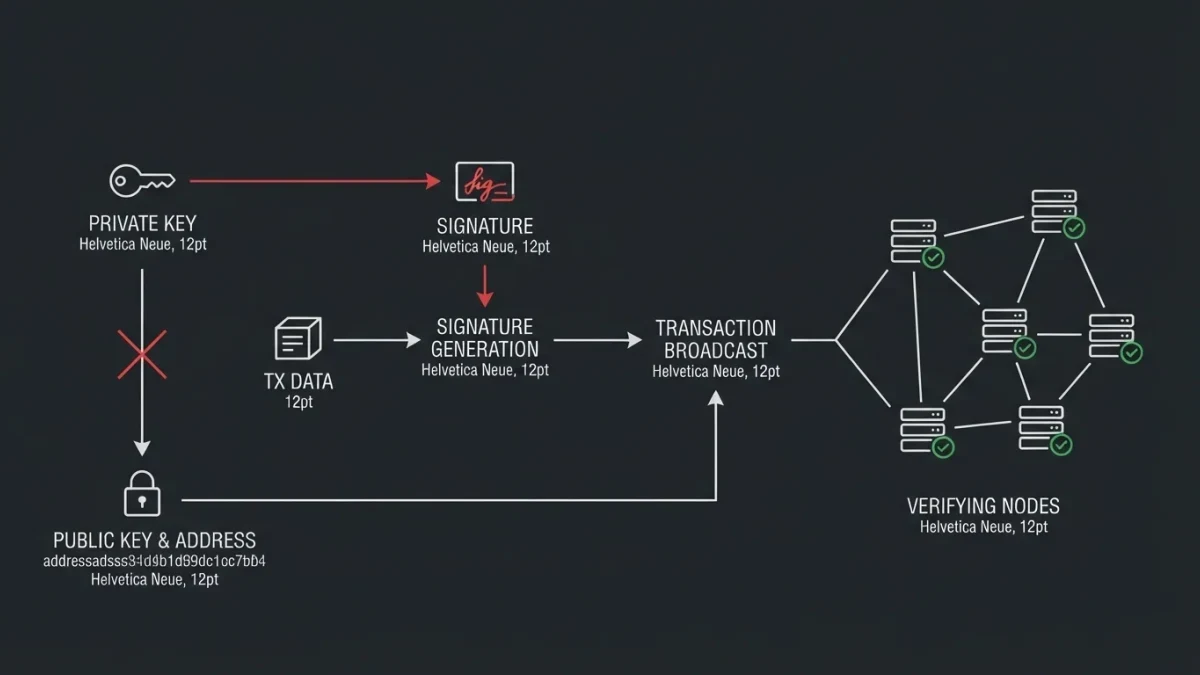
How a Bitcoin Wallet Signs a Transaction
A bitcoin signature proves ownership of specific coins without revealing the private key, using elliptic-curve math that any node can verify in microseconds.
Bitcoin gathers reporting on the original digital asset: issuance and halving mechanics, exchange and fund holdings, custody choices, and what settlement data shows about long-term holders. Suited to anyone weighing an allocation, or already holding one, who wants supply and demand described through evidence rather than slogans.
Bitcoin as an asset: issuance schedule, holder behavior, custody arrangements, fund flows and the settlement layer sitting beneath the price.
A bitcoin signature proves ownership of specific coins without revealing the private key, using elliptic-curve math that any node can verify in microseconds.

Cold storage keeps bitcoin's signing keys offline so no networked attacker can spend them; the hard part is key generation, backup and recovery, not the device.
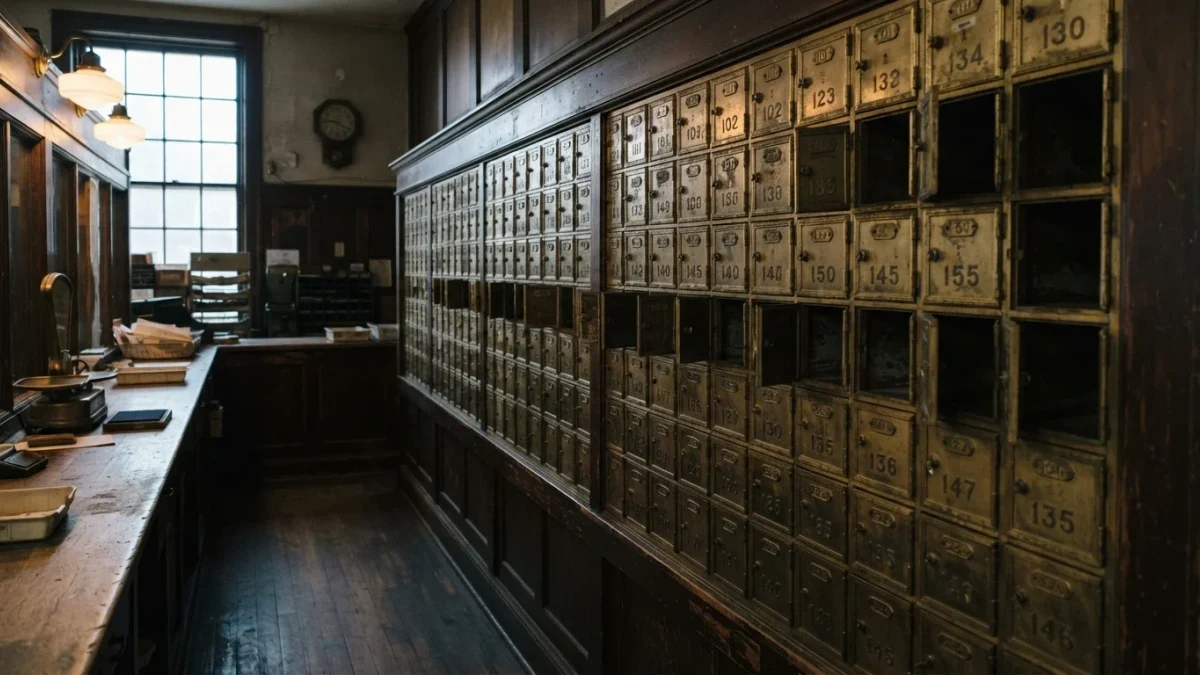
Bitcoin does not track balances; it tracks unspent transaction outputs — discrete coins that are consumed whole and regenerated as change, with real…
Unconfirmed bitcoin transactions wait in a public queue called the mempool, and miners sort that queue by fee rate, not by arrival time.
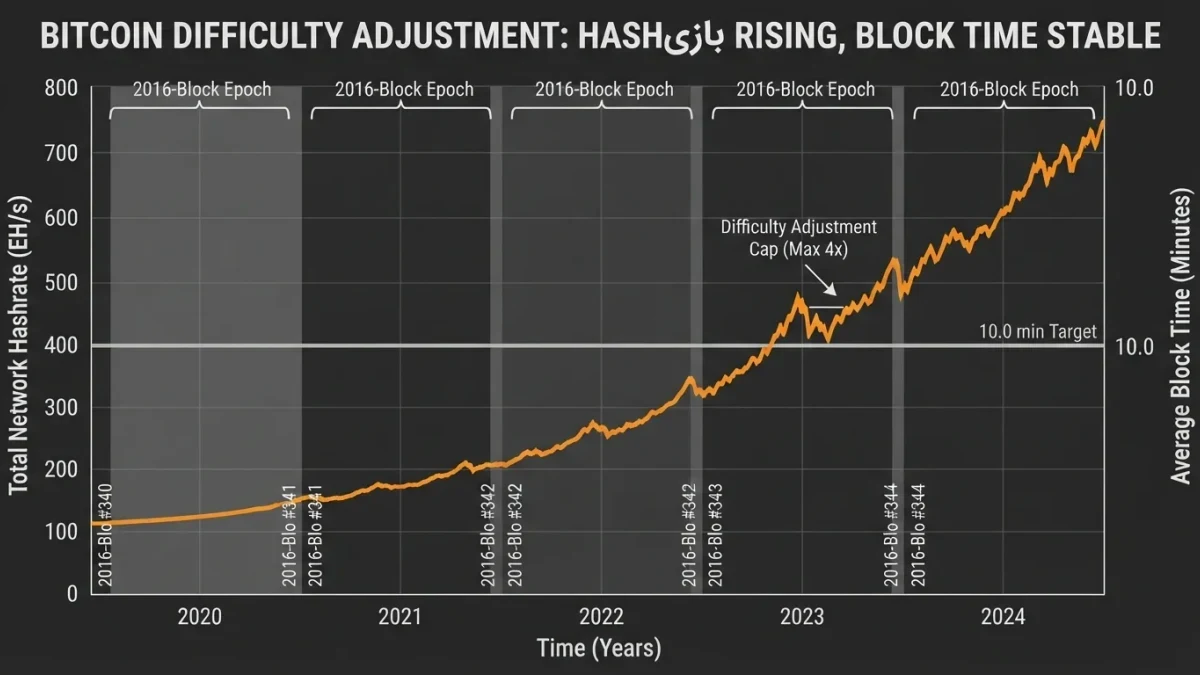
Every 2,016 blocks Bitcoin recalibrates how hard the hash puzzle is, holding block production near ten minutes no matter how much computing power joins or…